Clinical Expertise at Smith Plastic Surgery: Lane F. Smith, MD, FACS, board-certified by the American Board of Plastic Surgery
Looking in the mirror and noticing changes in your jawline, cheeks, or neck does not automatically mean it is time for a facelift. Facial aging happens gradually, and the right time to consider surgery depends less on reaching a particular birthday and more on what has changed, how much it bothers you, and whether surgery is the most appropriate way to address it.
For someone researching a facelift in Las Vegas, the most useful question is often: Are my concerns still something a nonsurgical treatment can reasonably improve, or have changes in the deeper facial tissues reached the point where surgery may provide a more meaningful result?
A facelift, medically known as rhytidectomy, is designed to improve visible aging in the face and neck. It can address concerns such as jowls, loose skin, diminished facial contours, and deeper folds. The American Society of Plastic Surgeons defines facelift surgery as a procedure intended to improve visible signs of aging in the face and neck.
Is There a Right Age for a Facelift?
There is no single age when everyone should consider facelift surgery. People age at different rates because facial anatomy, genetics, sun exposure, weight changes, smoking history, skin quality, and lifestyle can all affect how quickly visible aging develops.
Instead of focusing on whether you are “old enough,” consider whether the changes you see are primarily related to skin quality or to deeper structural changes. Fine lines and surface texture may respond to nonsurgical facial aging solutions, while significant jowling, loose lower-face skin, or laxity around the jawline and neck may require a different approach.
The American Society of Plastic Surgeons focuses facelift candidacy on factors such as overall health, nonsmoking status, and realistic expectations rather than providing a specific age cutoff. That makes the decision more personal. Two people of the same age may have very different facial anatomy and may appropriately choose completely different treatments.
How Does the Face Change With Age?
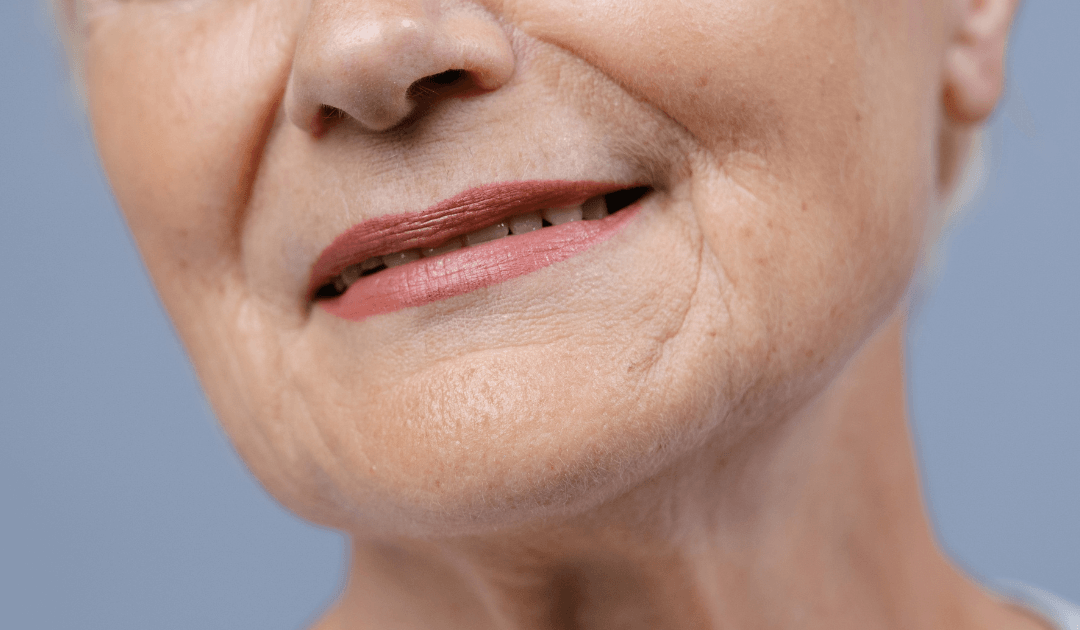
Facial aging is not caused by skin alone. Over time, changes can occur in the skin, fat, supporting tissues, and facial contours. The lower face may gradually lose definition, while tissue can descend around the cheeks and jaw.
These changes can contribute to jowls, deeper folds, and a softer transition between the face and neck. Smith Plastic Surgery’s facelift information describes changes in skin elasticity, tone, volume, and facial support as factors that contribute to wrinkles, folds, sagging, and changes in facial contour.
That is why simply tightening the surface of the skin is not the goal of modern facelift planning. The appropriate approach depends on which tissues are contributing to the aging pattern and how those changes relate to the patient’s overall facial proportions. A good result should look refreshed and balanced rather than creating an obviously pulled or artificial appearance.
What Are the Signs You May Be Ready to Discuss a Facelift?
People searching for signs you need a facelift are often looking for a simple checklist. There is no test that can determine candidacy at home, but several changes commonly lead people to schedule a surgical consultation.
1. Your Jawline Has Lost Definition
One of the most common reasons people explore a face lift is the development of jowls. Tissue that once created a smoother transition from the cheek to the jaw can descend with age, making the lower face appear heavier or less defined.
If your main concern is a small amount of early laxity, nonsurgical treatment may still be worth considering. More established jowling, however, may be difficult to meaningfully correct with treatments designed primarily for skin quality or temporary volume changes.
2. Loose Skin Has Developed Along the Lower Face or Neck
Skin laxity often becomes more noticeable around the jawline and neck. You may notice folds, hanging skin, or a less distinct angle between the chin and neck.
A facelift may address some lower-face and neck changes, although the exact procedure depends on anatomy. Some patients may benefit from a facelift combined with a neck lift, while others may need a different treatment plan. Smith Plastic Surgery currently lists both facelift and neck lift among its facial procedures, allowing the surgical approach to be selected according to the areas that need correction.
3. Deeper Facial Folds Have Become More Noticeable
Lines around the mouth and lower face can become more visible as facial tissues change position. While fillers can sometimes soften selected folds, adding volume is not always the appropriate answer when tissue descent and laxity are the underlying concerns.
This is an important distinction when comparing facial aging solutions. Nonsurgical procedures and facelift surgery are not interchangeable. They address different problems. A consultation should identify what is causing the concern before recommending how to treat it.
4. Nonsurgical Treatments No Longer Address Your Main Concern
Botox, dermal fillers, laser treatments, microneedling, chemical peels, and skin tightening procedures can play valuable roles in facial rejuvenation. Smith Plastic Surgery offers several nonsurgical options alongside its surgical facial procedures.
However, there is a limit to what these treatments can accomplish. Botox addresses selected muscle-related wrinkles, fillers can restore or enhance volume in appropriate areas, and resurfacing procedures can improve aspects of skin quality. None of those treatments is equivalent to surgically repositioning significantly lax facial tissue.
If you find yourself repeatedly trying to treat jowls or substantial loose skin with procedures that are not designed for that problem, it may be time to ask whether surgery is a better fit.
Facelift or Fillers: How Do You Know Which Direction to Take?
This is increasingly important because patients now have more facial aging solutions available than ever before. The presence of more options is useful, but it can also make treatment decisions confusing.
A simple way to think about the difference is that nonsurgical treatments are often strongest for early aging, skin quality, expression lines, or selected volume concerns. Facelift surgery is designed to address more substantial tissue laxity and changes in facial contour.
That does not mean everyone should progress from fillers to surgery. Some people may never want a facelift, while others may decide that surgery better addresses their goals.
It is also possible to use surgical and nonsurgical treatments at different stages. For example, facelift surgery does not prevent future skin aging, so appropriately selected skin treatments may still have a role before or after surgery.
What About a Mini Facelift?
Patients researching facial rejuvenation frequently come across terms such as mini facelift, short-scar facelift, full facelift, and neck lift. These labels can be useful, but they are not always used identically from one practice to another.
Smith Plastic Surgery offers information comparing mini and full facelift approaches and emphasizes that the appropriate procedure depends on the extent of facial aging and the patient’s goals.
Rather than deciding that you need a “mini” procedure because it sounds easier, ask what areas actually need treatment. Limited lower-face aging may require a different approach from significant jowling and neck laxity.
The smallest operation is not automatically the best operation. The goal should be selecting the least extensive treatment that can realistically address your concern without under-treating the problem.
Are You Healthy Enough for Facelift Surgery?
The appearance of facial aging is only one part of candidacy. A facelift is elective surgery, so overall health matters.
The American Society of Plastic Surgeons identifies healthy individuals without medical conditions that impair healing, nonsmokers, and people with realistic expectations as typical facelift candidates.
During consultation, expect to discuss your health history, previous procedures, medications, nicotine use, and cosmetic goals. Being open about these factors helps your surgeon assess risk and determine whether surgery is appropriate.
If you smoke or use nicotine, disclose it. If you have medical conditions that could affect healing or anesthesia, those also need to be evaluated before moving forward.
What Are the Risks of a Facelift?
Facelift surgery has potential risks, and understanding them is part of making an informed decision. ASPS lists possible complications including anesthesia risks, bleeding, infection, fluid accumulation, changes in sensation, facial nerve injury with weakness, poor wound healing, skin loss, prolonged swelling, unfavorable scarring, hair loss near incisions, and the possible need for additional surgery.
These risks do not mean that a complication will occur. They do mean that choosing a qualified surgeon, discussing your health honestly, and carefully following preoperative and postoperative instructions are important.
Your surgeon should explain which risks are particularly relevant to you and what signs after surgery would require immediate attention.
What Is Facelift Recovery Like?
Recovery is another factor in deciding whether the timing is right. It is helpful to think about recovery as several milestones rather than one number.
Smith Plastic Surgery currently lists approximately one to two weeks of recovery for facelift procedures on its facial procedure page. The practice also lists an average facelift cost of $25,000 when performed with a neck lift, with surgical, anesthesia, and operating-room fees included in its pricing structure.
Early recovery does not mean complete healing. ASPS notes that dressings may be placed around the face after surgery and that drains can sometimes be used to remove excess fluid. Patients receive instructions about incision care, medications, follow-up, washing the face, makeup, exercise, and returning to normal activities.
Smith Plastic Surgery’s facelift information notes that bruising and swelling may improve substantially over the first couple of weeks while numbness, stiffness, and tissue settling can continue longer. If you have a major event, work obligation, or travel planned, discuss the timing well in advance rather than assuming you will look completely healed after a fixed number of days.
How Long Does a Facelift Last?
A facelift can create long-lasting improvement, but it does not stop the aging process. Your face will continue to change over time because skin, tissues, and facial structures continue to age.
Smith Plastic Surgery states that facelift results may last more than 10 years for some patients, particularly with appropriate aftercare and lifestyle choices. Individual longevity will vary.
The more useful way to think about longevity is that you should continue to look better than you would have if the procedure had never been performed, even as aging continues. No ethical surgeon should promise that a facelift will permanently freeze your appearance.
Sun protection, avoiding smoking, maintaining a stable weight, and following a thoughtful skincare plan can all help support your appearance over time.
Choosing a Facial Plastic Surgeon in Las Vegas
Timing is important, but surgeon selection may be even more important. When searching for a facial plastic surgeon in Las Vegas, look beyond advertising language and evaluate verifiable training, board certification, facility standards, surgical experience, before-and-after photographs, communication, and postoperative care.
Dr. Lane F. Smith lists current certification by the American Board of Plastic Surgery, along with board certifications in otolaryngology-head and neck surgery and facial plastic and reconstructive surgery. His training includes a fellowship in Facial Plastic and Reconstructive Surgery at Stanford University and a Plastic Surgery residency at Mayo Clinic.
Smith Plastic Surgery also operates an on-site surgical facility at 7650 W. Sahara Avenue in Las Vegas. The practice states that its surgical center has full accreditation through Global Accreditation Authority, QUAD A, and that it uses board-certified anesthesiologists. These are the types of details worth examining when comparing options for plastic surgery in Las Vegas, especially for a procedure involving the face.
Frequently Asked Questions About Facelift Surgery
How do I know when I really need a facelift?
There is no point when you medically “need” a cosmetic facelift. You may be ready to discuss surgery when jowls, loose skin, lower-face laxity, or neck changes bother you and less invasive options no longer adequately address the underlying problem.
Is 40 too young for a facelift?
Age alone does not determine candidacy. Your anatomy, amount of tissue laxity, health, smoking status, goals, and expectations matter more than reaching a specific birthday. A qualified surgeon can also tell you when a nonsurgical option is more appropriate.
Can a facelift fix wrinkles around my eyes?
A facelift primarily addresses aging of the lower face and related facial contours. Eyelid surgery, brow lift, resurfacing, or other treatments may be more appropriate for certain concerns around the eyes or forehead. The procedure plan should reflect the areas that actually need treatment.
Will a facelift make me look unnatural?
A well-planned facelift is intended to create a refreshed appearance while preserving recognizable facial features. Results vary, and surgeon technique, anatomy, healing, and treatment goals all influence the outcome.
Should I wait until facial aging gets worse?
Not necessarily. Waiting for severe aging is not automatically better, but undergoing surgery before you have enough structural change to justify it may also be unnecessary. The right timing is when the procedure appropriately matches your concerns, health, expectations, and willingness to undergo recovery.
When Is the Right Time for You?
The right time to consider a facelift in Las Vegas is not determined by age alone. It is when visible changes such as jowls, loose skin, lower-face laxity, or loss of jawline definition have become meaningful to you and surgery offers a reasonable way to address those concerns.
Before deciding, compare the full range of available facial aging solutions. A nonsurgical procedure may be sufficient for early changes, while more advanced tissue laxity may be better addressed surgically. The most important step is an evaluation that separates what can realistically improve with skincare, injectables, or resurfacing from what requires surgical repositioning.
At Smith Plastic Surgery, Dr. Lane Smith provides facelift and facial surgery consultations at 7650 W. Sahara Avenue, Las Vegas, NV 89117. The practice can be reached at 702-838-2455 to request a consultation and discuss your facial anatomy, goals, risks, recovery expectations, and whether a facelift, neck lift, eyelid procedure, or nonsurgical approach makes the most sense for you.