The eyes are often one of the first areas where people notice changes associated with aging. Upper eyelid skin can become heavier or fold over the natural crease, while puffiness or bags may develop beneath the eyes. These changes can make someone look tired even when they feel rested.
Eyelid lift cosmetic surgery, also called blepharoplasty, is designed to address selected changes in the upper eyelids, lower eyelids, or both. The goal is usually a more rested, refreshed appearance while preserving the features that make your face look like you. For people researching blepharoplasty options in Las Vegas, understanding what the procedure can realistically change is more useful than deciding based on a before-and-after image alone.
What Is Eyelid Lift Cosmetic Surgery?
Blepharoplasty is a surgical procedure that improves the appearance of the eyelids by addressing excess skin and, when appropriate, muscle or fat. Upper eyelid surgery commonly focuses on loose or overhanging skin. Lower eyelid surgery may address puffiness, prominent fat pockets, excess skin, or contour changes beneath the eyes.
The procedure can involve the upper lids, lower lids, or both. Cleveland Clinic notes that lower eyelid fat may be removed or repositioned, while upper eyelid surgery generally removes excess skin through an incision placed in the natural eyelid crease.
Good eyelid rejuvenation is not about creating an entirely different face. Surgical planning should consider eyelid anatomy, brow position, skin quality, facial balance, and the specific concern that makes the eye area look older or more fatigued.
Why Can the Eyelids Make You Look Tired?
With time, skin around the eyes can lose elasticity, while lower eyelid fat may become more visible. Genetics also influence when eyelid heaviness or under-eye bags appear.
Not every tired-looking eye is caused by eyelid skin. A low brow can add heaviness above the eyes, while true eyelid ptosis involves drooping of the upper eyelid and may require a different treatment. The American Society of Plastic Surgeons recommends evaluating facial anatomy carefully because brow position and eyelid structure can influence which procedure is appropriate.
That distinction is important for the reader. If the real problem is brow descent, muscle-related ptosis, pigmentation, or volume loss, simply removing eyelid skin may not provide the improvement you expect.
What Can Upper Eyelid Surgery Improve?
Upper blepharoplasty is commonly considered when excess skin creates a heavy, hooded, or less defined appearance. Some people notice that the natural eyelid crease is harder to see or that applying eye makeup has become more difficult.
During surgery, the incision is typically placed within the natural upper eyelid crease, and excess tissue is carefully addressed while preserving eyelid function. This placement also helps the incision become less noticeable as healing progresses.
For some patients, the concern is cosmetic. In others, significant upper eyelid skin can interfere with the visual field. Anyone experiencing changes in vision should have the cause properly evaluated rather than assuming cosmetic surgery is the answer.
What Can Lower Eyelid and Under Eye Surgery Improve?
Lower blepharoplasty, sometimes described by patients as under eye surgery, can address bags, bulging fat, loose lower eyelid skin, or an uneven transition between the lower lid and upper cheek. Depending on your anatomy, a surgeon may remove fat, reposition it, remove a limited amount of skin, or combine techniques.
A lower eyelid incision may sit just below the lash line or inside the eyelid through a transconjunctival approach, depending on what needs to be corrected. The technique should be selected according to the patient’s anatomy rather than using the same approach for everyone.
It is equally important to understand what surgery may not fix. Blepharoplasty does not automatically eliminate crow’s feet, skin pigmentation, every type of dark circle, or all under-eye hollowness. Those concerns may relate to skin quality, cheek volume, pigmentation, or other facial structures and can require a different treatment plan.
Could You Be a Good Candidate for Blepharoplasty?
Good candidates are generally healthy, do not smoke, have realistic expectations, and do not have serious eye conditions that make surgery inappropriate. A consultation should also cover dry eye, medications, previous surgery, and medical conditions that could affect healing.
The key question is not simply whether you have extra eyelid skin. It is whether blepharoplasty addresses the actual cause of the concern you see. A qualified surgeon should distinguish excess skin from brow descent, eyelid ptosis, lower-lid laxity, volume loss, and skin changes before recommending treatment.
This is especially important around the eyes because a relatively small anatomical difference can change which treatment is appropriate. Your consultation should therefore involve an evaluation of the eyelids as well as the surrounding brow and facial structures.
Will Blepharoplasty Change the Way You Look?
Many patients worry that eyelid surgery will make them look unlike themselves. Thoughtful eyelid rejuvenation generally aims to reduce heaviness or persistent tiredness while maintaining the natural character of the eyes.
Results depend on anatomy, healing, and surgical technique. Blepharoplasty cannot stop aging, although improvement can be long-lasting.
This is also why realistic expectations matter. The objective is not necessarily to make the eye area perfectly smooth or remove every sign of aging. Instead, the goal may be to create a more open, rested, and balanced appearance that remains appropriate for the rest of your face.
What Is Blepharoplasty Recovery Like?
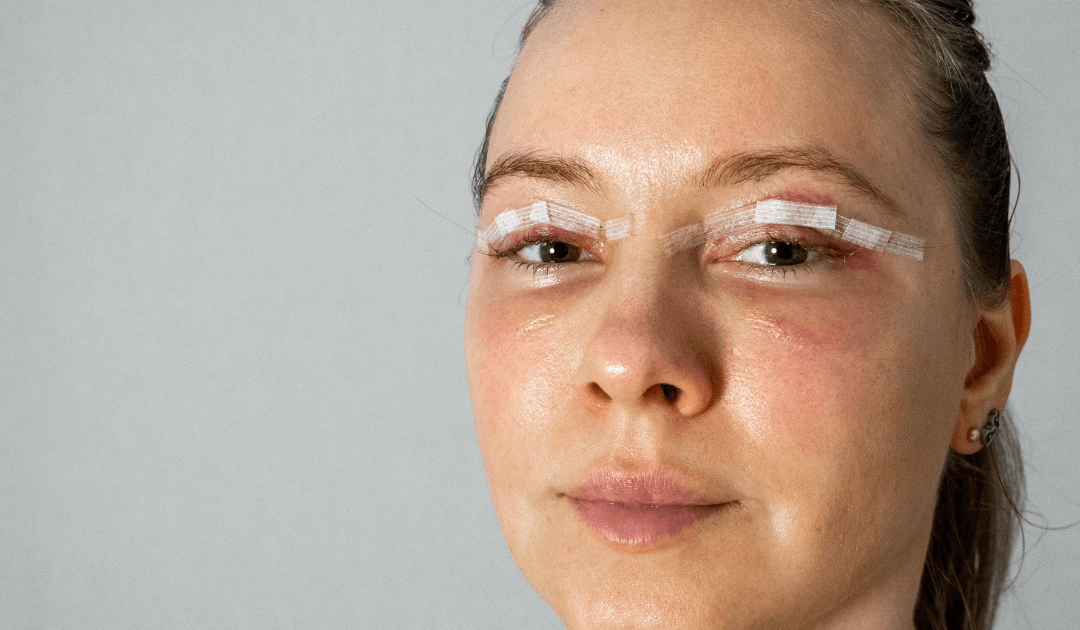
Recovery happens in stages rather than on one exact date. Swelling, bruising, irritation, dryness, and mild discomfort can occur during early healing. Cold compresses, lubricating ointment, medications, and specific eye-care instructions may be recommended.
Cleveland Clinic reports that many people feel comfortable being seen in public after about 10 to 14 days, although complete healing can take several months. The American Society of Plastic Surgeons also emphasizes careful sun protection and dark sunglasses while the eyelids heal.
Returning to work, exercise, contact lenses, or makeup should follow your surgeon’s instructions because visible recovery can occur before deeper healing is complete. Planning ahead for work, social activities, transportation, and postoperative assistance can make the early recovery period easier to manage.
What Are the Risks of Eyelid Surgery?
Blepharoplasty is surgery and has potential complications. The American Society of Plastic Surgeons lists risks including bleeding, infection, dry eyes, changes in sensation or vision, difficulty closing the eyes, lid lag, ectropion, scarring, swelling, anesthesia risks, and possible revision surgery. Rare but serious vision complications can also occur.
Risks should be discussed clearly before surgery so you can weigh potential benefits against possible complications. Your surgeon should explain which concerns are most relevant to your health, anatomy, and proposed technique.
A consultation should also give you an opportunity to ask what symptoms require urgent attention after surgery and how postoperative concerns are handled. Understanding risks before making a decision is part of informed consent, not a reason to avoid asking questions.
Blepharoplasty vs. Brow Lift: Why the Difference Matters
Not every heavy upper eyelid requires blepharoplasty. If the eyebrow has descended, a brow lift may sometimes be more appropriate or may be considered with eyelid surgery. Removing eyelid skin alone cannot correct every problem caused by brow position.
This distinction matters for patients seeking eyelid surgery Las Vegas services because a useful consultation should evaluate the eyelids in the context of the upper face. The procedure should be selected because it addresses your anatomy, not simply because it was the treatment you first searched for online.
Cleveland Clinic similarly notes that brow position and eyelid appearance are connected, and a brow lift may sometimes be discussed when low eyebrows contribute to excess-appearing upper eyelid skin.
Why Consider Smith Plastic Surgery for Blepharoplasty in Las Vegas?
When choosing a surgeon for a procedure around the eyes, training and facial anatomy experience deserve careful attention. Dr. Lane F. Smith is certified by the American Board of Plastic Surgery. His training includes a facial plastic and reconstructive surgery fellowship at Stanford University and a plastic surgery residency at Mayo Clinic.
Smith Plastic Surgery’s eyelid surgery page states that Dr. Smith performs blepharoplasty regularly and has performed hundreds of these procedures. The practice offers eyelid surgery as part of its facial plastic surgery services in Las Vegas.
Smith Plastic Surgery also operates an on-site surgical facility in Las Vegas. The practice states that the facility is fully accredited by Global Accreditation Authority, QUAD A, is accredited for anesthesia and sedation including general anesthesia, and uses experienced board-certified anesthesiologists. These details matter when comparing plastic surgery Las Vegas practices and surgical settings.
The practice is located at 7650 W. Sahara Avenue, Las Vegas, Nevada 89117. Patients researching blepharoplasty in Las Vegas or eyelid surgery options can schedule a consultation to discuss whether upper eyelid surgery, lower eyelid surgery, a brow procedure, or another approach is appropriate.
Frequently Asked Questions About Eyelid Lift Cosmetic Surgery
Does blepharoplasty get rid of dark circles under the eyes?
Not always. Dark circles can come from pigmentation, shadows, visible blood vessels, skin quality, volume loss, or lower eyelid bags. Blepharoplasty may improve shadows created by prominent fat or contour irregularities, but it is not a universal treatment for dark circles.
How long do blepharoplasty results last?
Results are generally long-lasting, but the eyelids continue to age. Cleveland Clinic notes that upper eyelid results can last many years and that lower eyelid surgery rarely needs to be repeated. Individual longevity varies with genetics, skin quality, sun exposure, and aging.
Can upper and lower eyelid surgery be performed together?
Yes. Upper and lower blepharoplasty can be performed during the same surgical plan when both areas need treatment and the patient is an appropriate candidate. The extent of surgery and anesthesia plan should be determined after a medical and facial evaluation.
Is eyelid lift cosmetic surgery the same as a brow lift?
No. Blepharoplasty treats the eyelids, while a brow lift changes the position of the brow and forehead tissues. Because brow descent can contribute to upper eyelid heaviness, evaluating both areas can help determine whether one procedure or a combination is more appropriate.
Is Eyelid Rejuvenation Right for You?
If your eyes look persistently tired because of upper eyelid heaviness, lower eyelid bags, or changes around the eye area, blepharoplasty may be worth exploring. The best decision begins with identifying the cause of those changes and understanding which concerns eyelid surgery can realistically improve.
At Smith Plastic Surgery, Dr. Lane Smith offers eyelid surgery consultations for patients in Las Vegas and surrounding areas. The practice’s established content standards emphasize clear information, realistic expectations, transparency, and patient-centered communication when discussing cosmetic surgery.
A consultation can help you understand your anatomy, expected recovery, potential risks, incision placement, alternatives, and whether upper eyelid surgery, lower eyelid surgery, or another facial procedure better matches your goals. To request an appointment, call 702-838-2455 or visit Smith Plastic Surgery at 7650 W. Sahara Avenue in Las Vegas.